.png)

.png)
The Book I Didn't Plan To Write


I Didn’t Plan to Write This Book... But Grief Had Other Ideas
I didn’t wake up one day and decide to write a book about death.
I didn’t sit down with an outline or a publishing plan or a sense of readiness. In fact, for a long time, I avoided it entirely. I wrote everything around grief... the mountains, the water, the long drives, the quiet moments where life felt almost normal again.
But grief has a way of weaving itself into everything, whether we invite it or not.
The losses in my life... my brother, my mother, the unraveling of family, identity, and certainty, didn’t arrive neatly or all at once. They layered themselves over time. They showed up in the spaces between joy and survival, in the moments when I thought I was “fine,” and especially in the moments when I wasn’t.
Eventually, grief stopped knocking.
It sat down and waited.

Writing around the thing instead of through it
For years, I wrote essays, journal entries, fragments, photographs, and reflections that circled the same truth without naming it. I told myself I was processing. Healing. Moving forward.
But what I was really doing was writing around the thing that had haunted me most... loss, heartbreak, unthinkable grief and inevitably, death.
Because writing about death isn’t just about loss... it’s about love.
And love, when you’ve lost deeply, becomes complicated.
Tender. Dangerous. Powerful.
I didn’t want to write about how grief reshapes you. I didn’t want to write about how early trauma follows you into adulthood. I didn’t want to write about how loss changes the way you attach, trust, and love again.
But the story kept asking to be told.
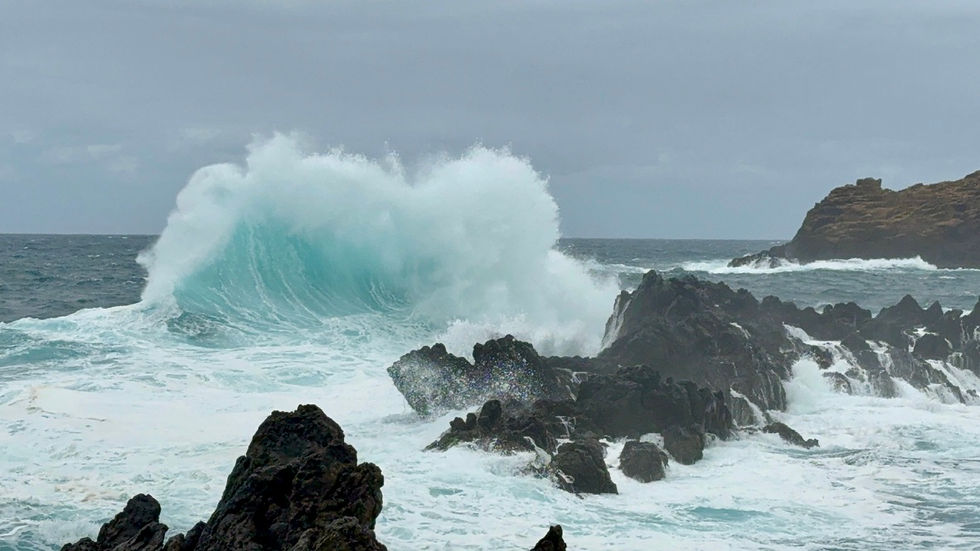
Nature gave grief room to speak
The mountains didn’t fix anything. The water didn’t erase the pain.
But being outside, walking, paddling, sitting in silence... gave grief room to breathe. Away from noise. Away from expectation. Away from the pressure to be “over it.”
Out there, I could feel everything without having to explain it.
That’s where the book began to take shape, not as a how-to guide for healing, but as an honest account of what it’s like to carry loss while still choosing to live.

Where this book truly began
The idea for this book didn’t come from a publishing goal or a desire to tell my story.
It began in a conversation with a friend, one of those honest, heartfelt conversations where grief finally has space to be named. We talked about how little there is out there for people living inside grief. Not inspirational soundbites. Not five steps to healing. But real, grounded stories that reflect what loss actually does to a person, emotionally, psychologically, relationally.
I remember saying that grief felt underrepresented in the places that mattered most. That people were expected to “handle it,” “move on,” or quietly carry it alone.
That conversation stayed with me.
But the book didn’t truly come into focus until the last night I spent with my mom.
The night before she died, she looked at me and told me... very clearly... that I had to write this book. That I had to write about death. About grief. About what it teaches us, whether we want those lessons or not.
It wasn’t a suggestion. It was a knowing.
Three months after she died, I started writing.
Not all at once, not easily, but steadily. The writing took nine months and was created inside the first year of losing her: three months of survival and shock, followed by nine months of relentless honesty, reflection, and remembering.
I didn’t rush it. I couldn’t.
This wasn’t a book that could be forced or extracted. It had to be lived, carried, and written in its own time.
In many ways, this book is a continuation of that last conversation... a way of honouring her voice, her trust in me, and the truth she knew I was capable of telling.

This book is not about closure
It doesn’t offer neat endings or easy answers.It doesn’t tell you to “move on.”
Instead, it tells the truth about what it means to live with what remains, the memories, the questions, the love that doesn’t disappear just because someone does.
It’s a book for anyone who has:
Lost a parent, sibling, or loved one
Grown up with divorce, instability, or emotional loss
Loved deeply after grief and feared losing again
Found unexpected healing in solitude, movement, or nature
Wondered why grief still shows up years later
This book doesn’t rush the process... because real healing doesn’t rush.

Why I finally wrote it
I wrote this book because grief was already writing my life.
Because pretending it hadn’t shaped me wasn’t working anymore.Because love deserved to be honoured, not hidden. Because living fully required telling the truth.
And because if my story helps even one person feel less alone in their grief, then the writing was worth it.
If you want to know more
You can read more about the book, and the story behind it here:
👉 Explore the Book
If it resonates, take your time. This story isn’t going anywhere.


Comments